
Redeeming
"Freedom"
We like the idea of freedom. Our country is built around it and celebrates it every year.
On July 4th, people take off work to remember the day that a group of men from thirteen small colonies declared their independence from the most powerful country in the world at that time. Instead of submitting to a king who wanted to establish an absolute tyranny over them, they were separating from his rule to pursue life, liberty, and happiness on their own terms. To celebrate this moment in history, we have parades, picnics, and firework displays that are awe-inspiring.
When we hear stories of freedom, we want to stand up and cheer.
Using a recent example, October 13, 2025 will be remembered by many families in Israel because members of their family were freed from captivity. A little over two years earlier, these same individuals were part of over 200 people attacked and held captive by Hamas and where over 1,200 were killed. These captives were held as hostages in horrible conditions, as pawns in a political and spiritual conflict.
With each announcement of the release of another hostage, thousands of people in Hostage Square in Israel cheered. There were also celebrations around the world, joining in with these families at the liberation of their loved ones. They were finally free.
There are innumerable stories that we could recount that tell about an individual or group that was finally freed from some form of bondage or captivity. With the retelling of each story, as the people are released to experience their long sought after liberty, our feelings rise and we want to celebrate with them.
Individual Freedom
Some of the first lines of the Declaration of Independence have become a call for individual freedom.
We hold these truths to be self-evident, that all men are created equal and are endowed with certain unalienable Rights, that among these are Life, Liberty and the pursuit of Happiness.
(Excerpt from the Declaration of Independence)

We have the right to live as we want.
We have the right to be free to define who we want to be.
We have the right to select the identity that makes us happy.
This concept of individual freedom has its ultimate expression in what Charles Taylor has described as expressive individualism. This is the belief that we can only find our meaning by giving expression to our own feelings and desires. We each should have the freedom to find and realize our own identity, in contrast to conforming to a model imposed from the outside, like society, family, or other authority.
You be you.
You be true to you.
Live your truth.
Follow your heart.
You can be anything you want to be.
These are the messages about our identity that we constantly see and hear all around us. The movies and shows that we watch, the music with listen to, and the social media we engage with are constantly encouraging to just be who we are. No one can or should tell us who we are supposed to be. We will only find the happiness that we seek when we define our own identity and stop listening to the outside noise.
Not only do you have the freedom to be who you want, in addition, the expectation is that we should also celebrate their freedom.
Church Freedom
This past weekend, I realized that the celebration of freedom has now become integrated within the church experience.
The celebration started with a song where we sang the following lyrics.
I will call upon the Lord
For He alone is strong enough to save
Rise, your shackles are no more
For Jesus Christ
Has broken every chain
Jesus’ name will break every stronghold
Freedom is ours when we call His name
Jesus’ name above every other
All hail the power of Jesus’ name
(Part of the lyrics from “Call Upon the Lord” by Elevation Worship)
The celebration of freedom continued as we appropriately recognized lives that are free by believing the Jesus through baptism.
Freedom is not a new concept for the church. Christians have been celebrating freedom from the very beginning. Jesus came to set us free.
So Jesus said to the Jews who had believed Him, “If you abide in My word, you are truly My disciples, and you will know the truth, and the truth will set you free.” (John 8:31-32)
Jesus wants us to be free and provided the way for us to experience the freedom for which we were created.
It is understandable that we should celebrate the freedom that we can only experience through Jesus. God, through Jesus, paid the ultimate price to obtain our freedom. We, His disciples, should be the first and loudest to proclaim His freedom to anyone who will hear.
The challenge that we have in the church as we remember the freedom offered only through Christ is that we don’t diminish the message by confusing the freedom widely communicated in the culture with the freedom God offers.
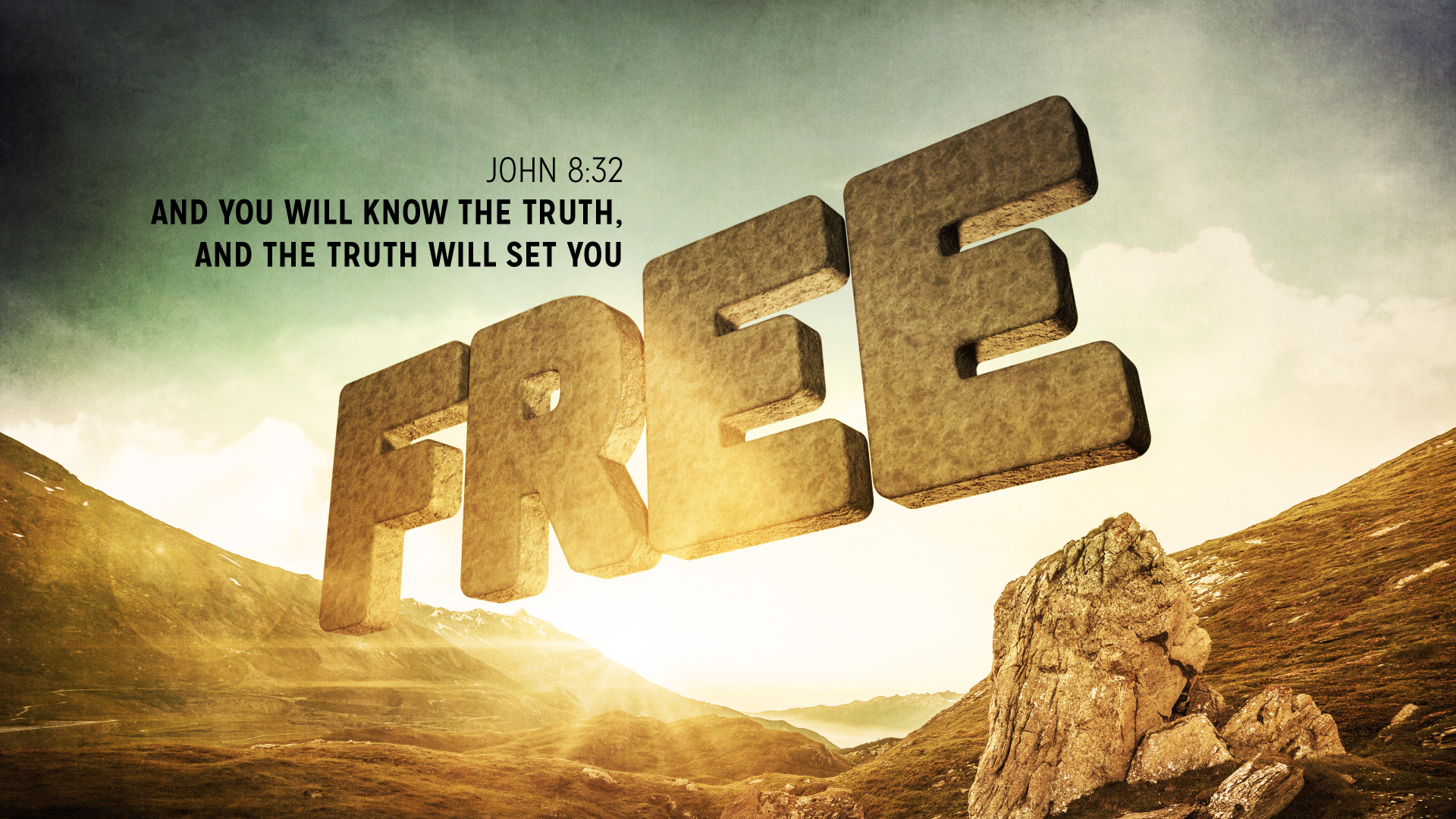
Freedom From and Freedom To
When we celebrate freedom, we are recognizing that we are free from something and free to something.
The hostages are now free from being kept prisoner by the terrorist group Hamas. As they return to Israel, they are free to live a life of their own choosing.
When thinking about the freedom of the gospel, what are we being freed from and to?
This is a very important question in defining freedom, because what we are being freed from defines what we are being freed to.
The simple answer to the question is that we are being freed from sin.
For the law of the Spirit of life has set you free in Christ Jesus from the law of sin and death. (Romans 8:2)
We were once in bondage to sin, but the death of Jesus opened the way for us to be free from that bondage.
It is an easy statement to make, but do we completely understand what being in "bondage to sin" means?
To truly understand and celebrate our freedom we need to understand sin and its impact on our lives. This helps us understand what we were freed from and to.
Original Sin
When training people serving in children’s ministry to share the gospel, we taught them a simple definition for sin.
Sin is anything that you…think (point to your head),say (point to your mouth),or do (hold out your hands)that makes God sad (make a frown).

To really understand sin, we have to go back to the original sin. I am not talking about the act of actually picking and eating the forbidden fruit. That action was the first expression of sin, but there was an original sin.
Adam and Eve were created to be image-bearers of their creator, God (see Genesis 1:26-28). Although we may not understand it, they were in perfect relationship with God. So, they knew who they were created to be, because they knew who He was.
When the temptation came from the serpent, it cast doubt on the identity or nature of God. For the first time in their lifetime, they had to make a choice about what they were going to believe about God.
Was He really good?
Was He really trustworthy?
Was He really doing what was best for them?
Then comes the first sin, they chose to believe what was not true about God. Their belief about who God is changed, which corrupted who they were at their core, their identity.
Instead of being who God created them to be and doing what He meant for them, they chose in that moment to live independently from God. They were going to do what they wanted to do, instead of being dependent on God, as His creation.
They were free of God, to their detriment and the rest of humanity after them. Every person born subsequent to them was born “after their image.” (Genesis 5:3) Like Adam and Eve, we are born free from a relationship with and dependency on God.
This is our bondage to sin, our freedom or independence from God. This freedom results in us creating our own identity instead of receiving it from Him, as He intended.
We have a corrupted identity because we live independently of God. Just like Adam and Eve, at our core we love the modern concept of freedom, to be who I want to be and to do what I want to do. Our bondage to sin, our corruption, is our freedom from God.
That sounds a lot like the modern concept of freedom.
Freedom to Redemption
As we celebrate the freedom we have in Christ, we need to be careful not to celebrate the wrong freedom. God does not give us freedom as the world defines freedom. We are not free to be independent, to do what we want to do, and to be whoever we define ourselves to be.
Defining freedom in this way is remaining in the same bondage to sin where we have always been. This is the freedom that the world celebrates and desires.
They promise them freedom, but they themselves are slaves of corruption. For whatever overcomes a person, to that he is enslaved. (2 Peter 2:19)
We were created for a different freedom. A redeeming freedom, restoring us to a real relationship with God, not independent from Him. He gives us a new identity, found in Him and for the purpose of glorifying and reflecting Him.

But thanks be to God, that you who were once slaves of sin have become obedient from the heart (identity) to the standard of teaching to which you were committed, and, having been set free from sin, have become slaves of righteousness. (Romans 6:17-18)
We were once slaves of sin, with the desire to do things our own way, free from God. The moment that we become disciples of God, we are no longer independent, but have a restored relationship with Him. We are finally free to be who God created us to be, but it is only because we can know Him. We are finally free to do what He planned for us to do, but it is only because we can follow Him.
We can celebrate freedom in our churches. Also, we should celebrate freedom as we remember what God did for us.
On the contrary, we are not free to do what we want, but reflect God through what we say and do. We can be grateful for the freedom that we have in this country, to worship as we want, but should not confuse this liberty with the freedom that God provides to those who follow Him.
Redeeming "Freedom" Picture
Visit the God's Glory Gallery to see the picture created to remember the freedom that we have been given through God.
Your Response
If you would like to know more about receiving the new identity that God offers you, please take some time to hear about God's Good News.

Time for Reflection
Read Romans 6:15-23
How does this help you understand the Biblical perspective of freedom.
Take some time to watch the live performance of the worship song I Will Call Upon the Lord.
When you hear them sing, "He has broken every chain," what are some chains that you are still holding on to from your old identity?
Take a moment to praise God for freeing you so you can be restored in Him.
Pass it on!
If God has used this article to encourage or challenge you, please take some time to share it with others by sharing it on your facebook or other social media site. Adding comments to the post also let's us know what you are thinking about what God is teaching you. Also, please let us know how we can continue to help you discover who God is and who He created to you be.
0 Comments